• What a Healthy Information Ecosystem Requires

    Last week, I visited San Antonio to attend Press Forward Summit 2026 with funders, journalists and community leaders about the erosion of local news—and the growing reach of disinformation across our information ecosystem.

    It is hard to overstate what is lost when communities have fewer trusted reporters asking questions, documenting decisions and helping people make sense of what is happening around them. The absence is not simply a media problem. It affects public health, civic participation, accountability and whether people can find credible information when it matters most.

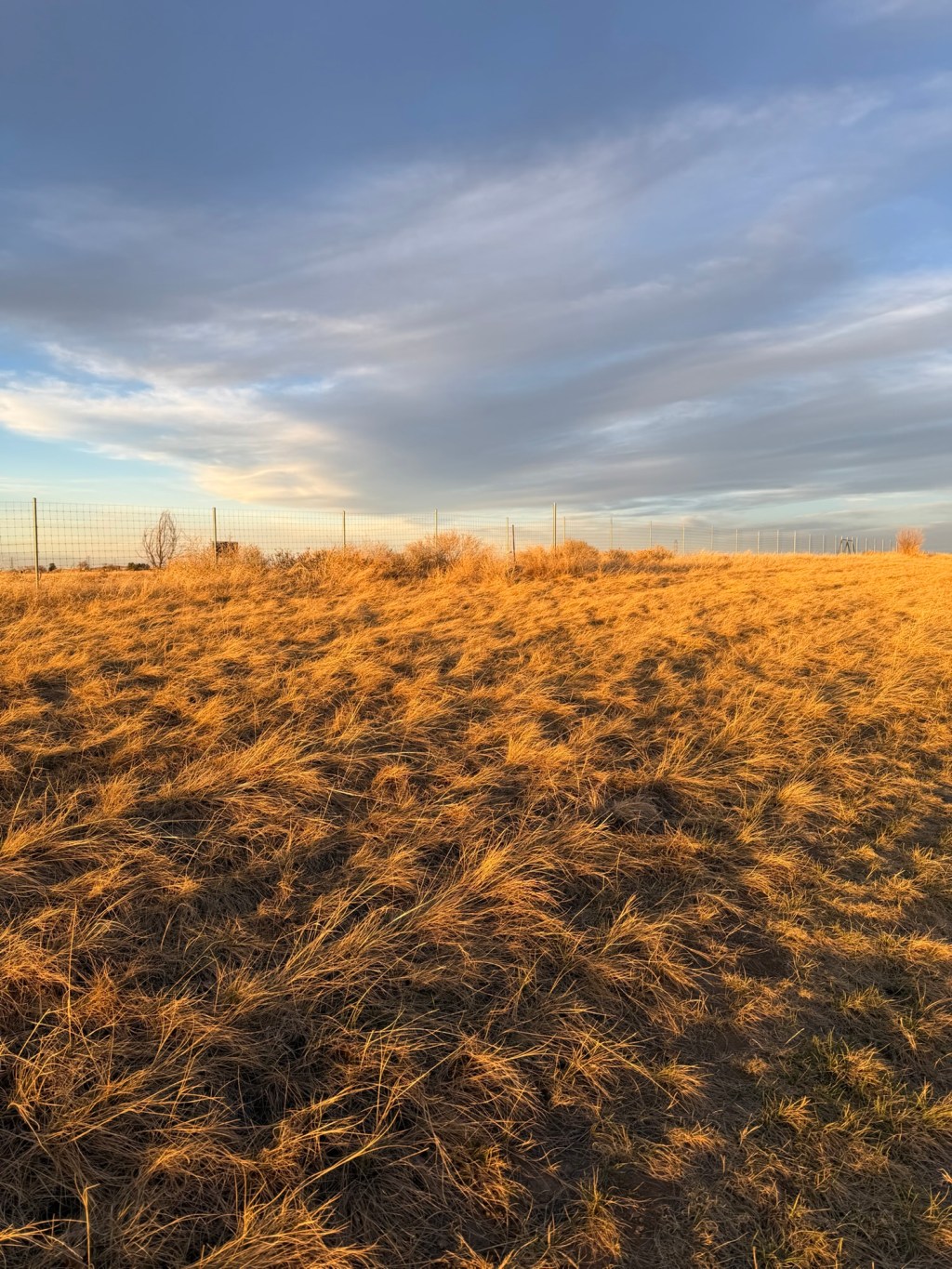
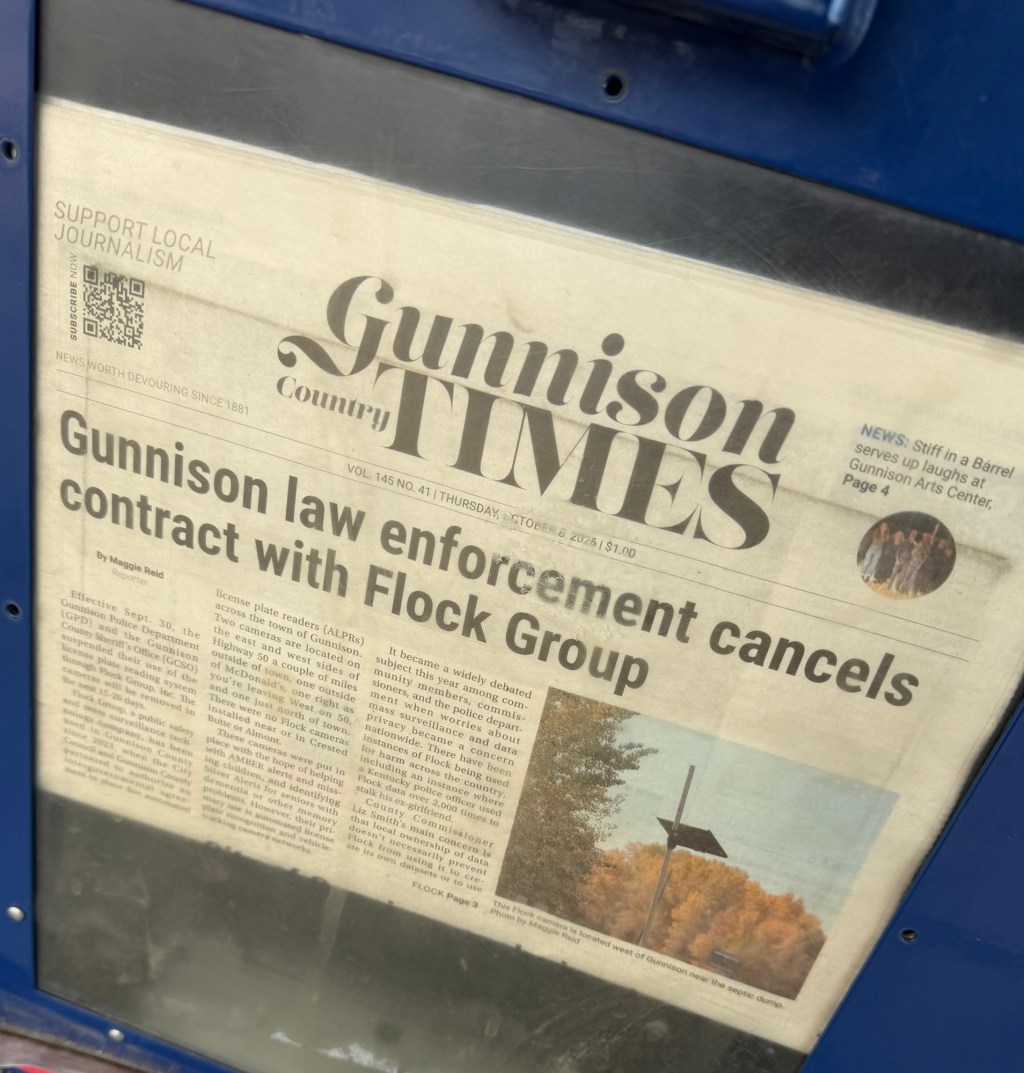
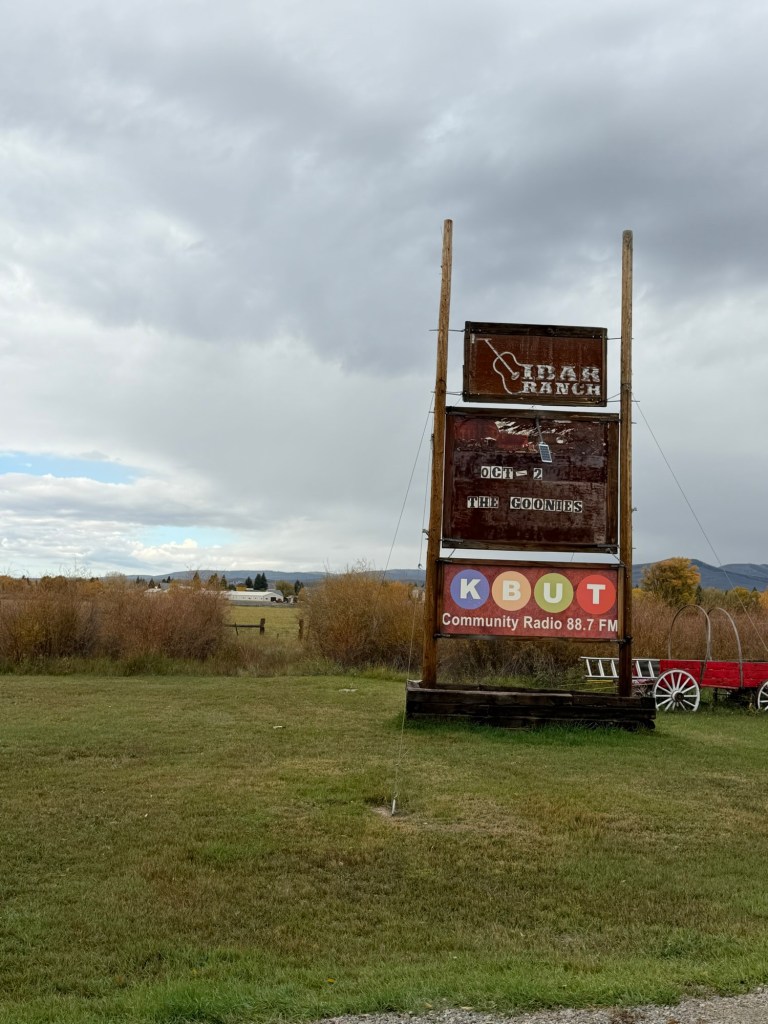
    Later that week, I had the chance to experience that ecosystem firsthand in Gunnison, Colorado. Local public media and a community print newspaper were doing the essential work of reporting from and for the valley, alongside the social media channels where residents already share news, questions and lived experience in real time. Together, they showed me that a healthy local information ecosystem is not built through any single platform, but through trusted outlets and community networks reinforcing one another—each helping information travel farther, reach different audiences and stay grounded in place.

    That feels especially relevant to my everyday work, where communications, journalism and media investing are part of a larger commitment to health equity. People cannot make informed choices about their health—or shape the policies and systems affecting their lives—without access to information they trust. And communities cannot tell fuller stories about themselves when the infrastructure for listening, reporting and local accountability continues to disappear.

    Conversations like this are pushing me to think beyond countering false claims one at a time. What does it take to build a healthier information ecosystem—one rooted in strong local journalism, trusted messengers, community knowledge and durable relationships? What role can philanthropy play without compromising editorial independence or assuming that trust can be manufactured from a distance?

    I want to carry those questions with me to the Atacama and beyond in all the work I do. In remote desert communities, information about water, extraction, environmental risk, Indigenous rights and public decisions can be fragmented, contested or shaped by institutions far from the people most affected. I’m curious about how local knowledge travels there: who is trusted, which stories gain authority, what gets lost between community experience and public narrative, and how people respond when official information conflicts with what they witness on the land.
  • Gunnison, in Translation

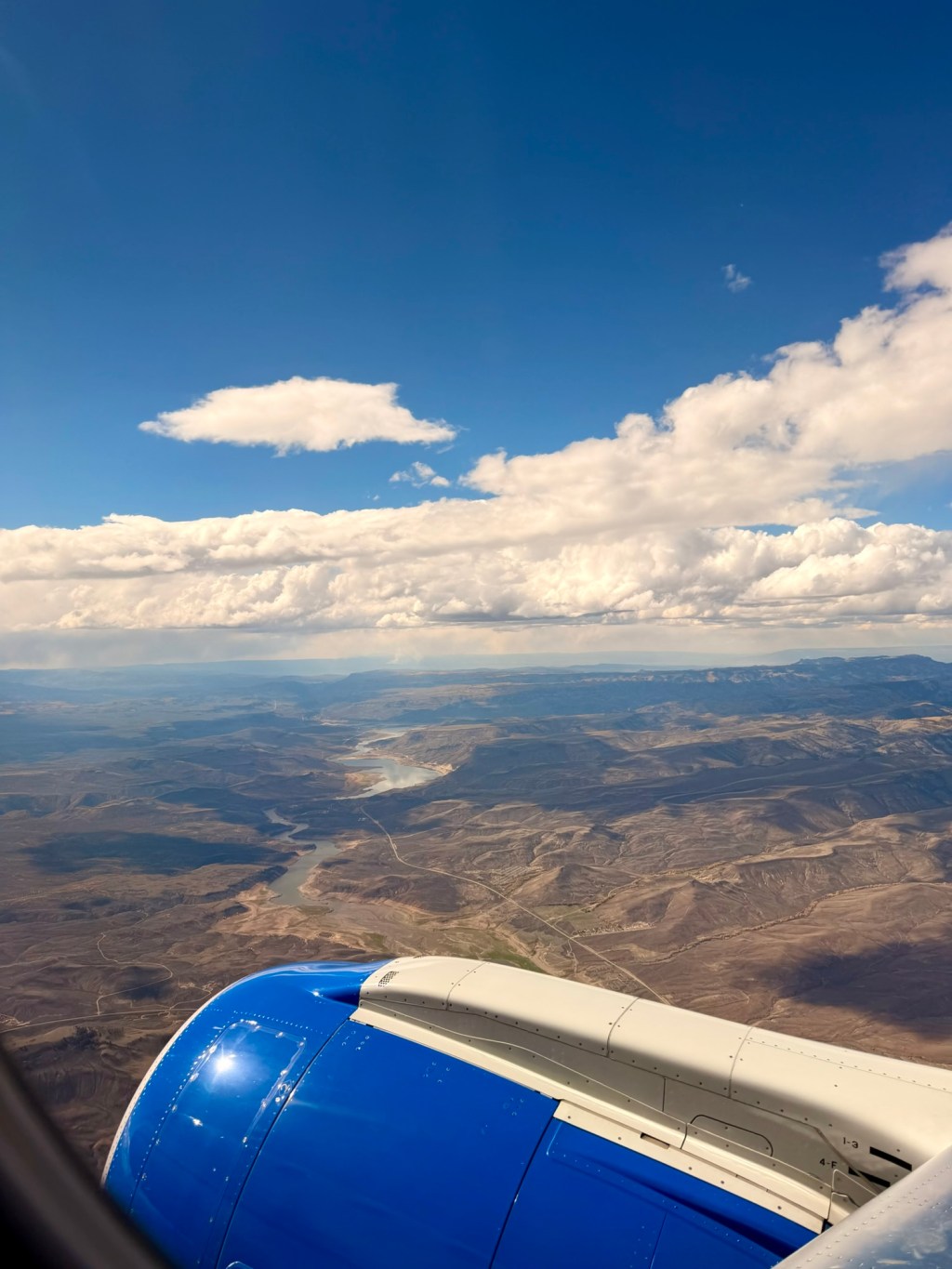
    Yesterday I was flying high above beautiful Gunnison, Colorado, to celebrate the gifts that bilingual community leaders bring to this who live here.

    This place has a way of making big questions feel very close to the ground. And the special people whose labor, leadership, culture, and care help keep this valley moving in ways that are sometimes visible, sometimes quiet, but always essential. It has me thinking about all the translation that happens in a place like this — not only between languages, but between systems, neighbors, histories and hopes for what community can become.

    It reminds me also of where I grew up, in rural southwest Kansas. I know the grid of a small place like the back of my hand, and instantly feel and remember what it means to be somewhere that shaped my identity.

    Gunnison and the surrounding area also make the relationship between people and place impossible to miss. The cold rivers, high desert edges, working landscapes, ranchlands, mountain ecosystems, dark skies, and public lands are part of what makes this area extraordinary. So are the pressures: water scarcity, climate change, housing strain, tourism impacts, and the ongoing question of who gets to belong, decide and shape the future of rural Colorado.

    This visit puts language access, environmental justice, and place-based belonging in the same frame for me. A place is not only its landscape. It is also the people who care for it, move through it, work within it, remember it and imagine its future. Today, I’m leaving with a familiar fondness for the local families, leaders, children, and neighbors whose voices are essential to any honest story and just future for rural places.

  • What the Wind Carries

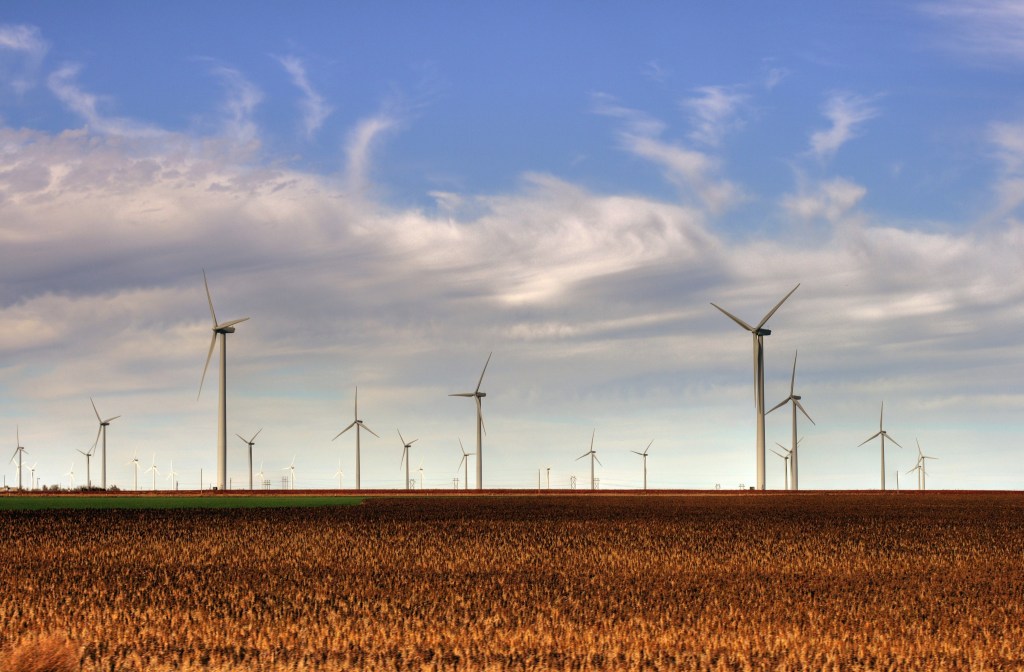
    This is me, near the end of August, traveling to visit childhood friends, far away from the Rocky Mountains. I know the stretch of I-70 across Kansas by rhythm: long horizons, open fields, grain elevators, exits that mark distance as much as destination. It is part of the world where I grew up, and one I still travel through often. Over time, another feature has joined that landscape: rows of wind turbines, their blades turning above farmland and prairie.

    They have changed both the view and the story of energy in Kansas. Wind surpassed coal as the state’s largest source of electricity generation in 2019, turning a force that has always shaped life on the plains into a major source of power. The turbines can bring lease income, investment and jobs to rural places, even as communities continue to debate siting, wildlife, land use, ownership and who has a meaningful voice in deciding what change should look like.

    Driving past them, I feel both possibility and tension. The land is still producing—crops, grazing, livelihood—but it is also being asked to carry a new energy future. The turbines remind me that the transition away from fossil fuels is never simply technological. It is physical and local. It changes sightlines, economies, relationships to place and the stories communities tell about themselves.

    That is one reason this familiar Kansas landscape feels connected to the questions I will carry into my La Wayaka Current residency in the Atacama. In northern Chile, global demand for lithium links clean-energy ambitions to fragile salt-flat ecosystems, scarce water and the rights and knowledge of Indigenous communities. Kansas wind and Atacama lithium are not equivalent, but they reveal a shared challenge: even solutions designed to address climate change leave a footprint somewhere.

    A just transition asks more than how much renewable energy we can produce or how quickly we can electrify. It asks who benefits, who bears the costs, who makes the decisions and whether the people who know a place most intimately are helping shape its future.

    As I travel again between Colorado, Kansas and the Atacama, I want to pay closer attention to what energy infrastructure makes visible—and what it can obscure. The future may be renewable, but justice depends on how we build it, where we build it and whose relationship to the land we choose to honor.

  • Dark Skies and Stewardship of Place

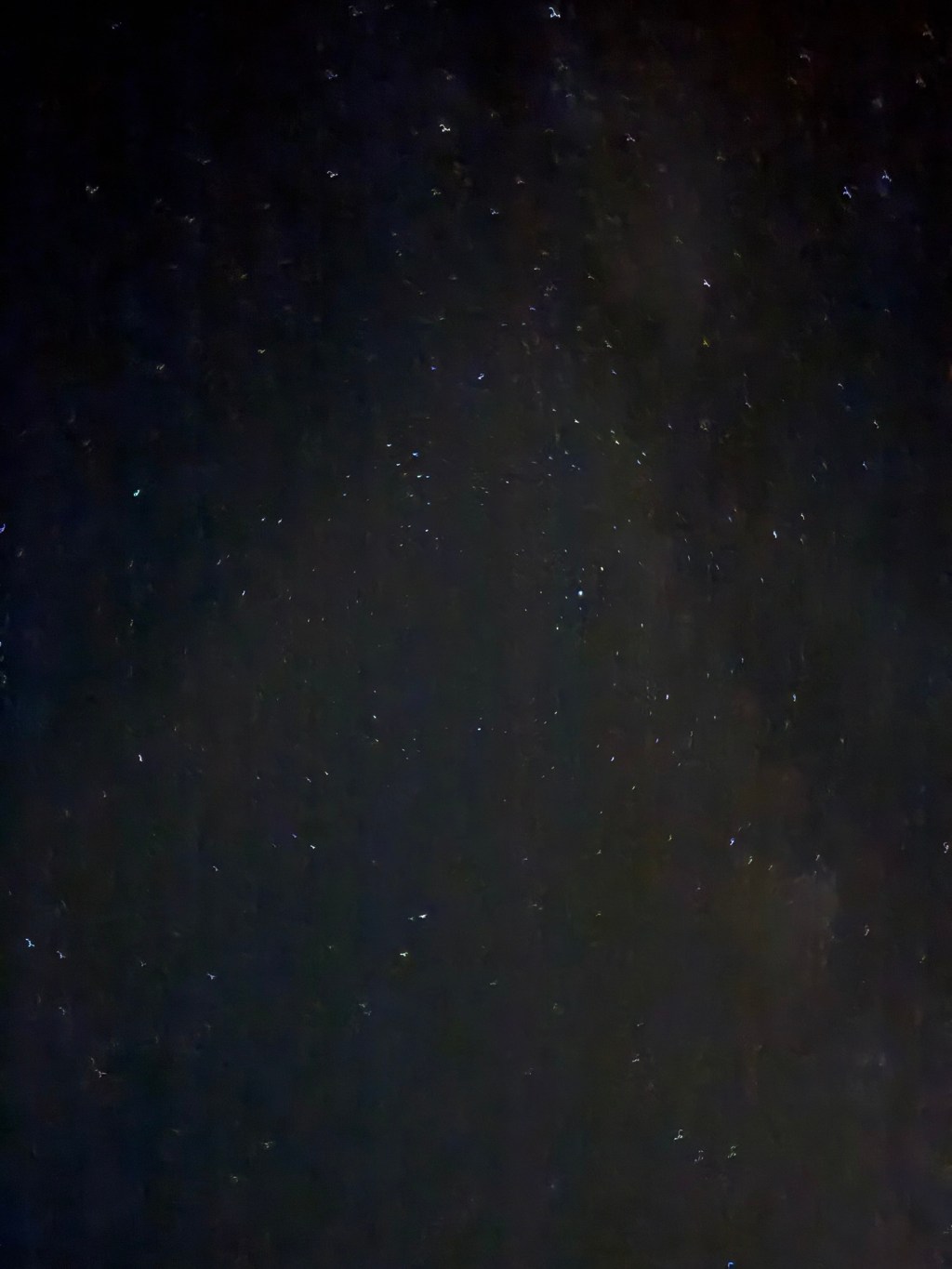
    Last week in Tabernash, Colorado, a clear night sky offered a reminder of what thoughtful stewardship can protect.

    Colorado’s dark sky communities are about more than astronomy. They reflect local choices about conservation, responsible growth, wildlife protection, energy use and public access to a resource many people rarely experience: a truly dark night sky.

    That connects directly to how I think about place, philanthropy and stories.

    Place is shaped by the policies, investments and community decisions that determine what is protected, developed or shared. Dark sky work makes those choices visible in practical ways: lighting standards, land use, tourism, habitat protection and local identity.

    For philanthropy, it is a useful example of place-based investment: supporting communities as they protect environmental assets, strengthen local decision-making and define growth on their own terms.

    And for storytelling, dark skies offer a clear frame for what communities value and why preservation is often about more than landscape. It is about access, belonging and the future people want to build together.

    The photo from Tabernash captures a beautiful sky, but it also points to a broader question: what do we choose to protect when we take place seriously?

  • Doc: Lithium Rising

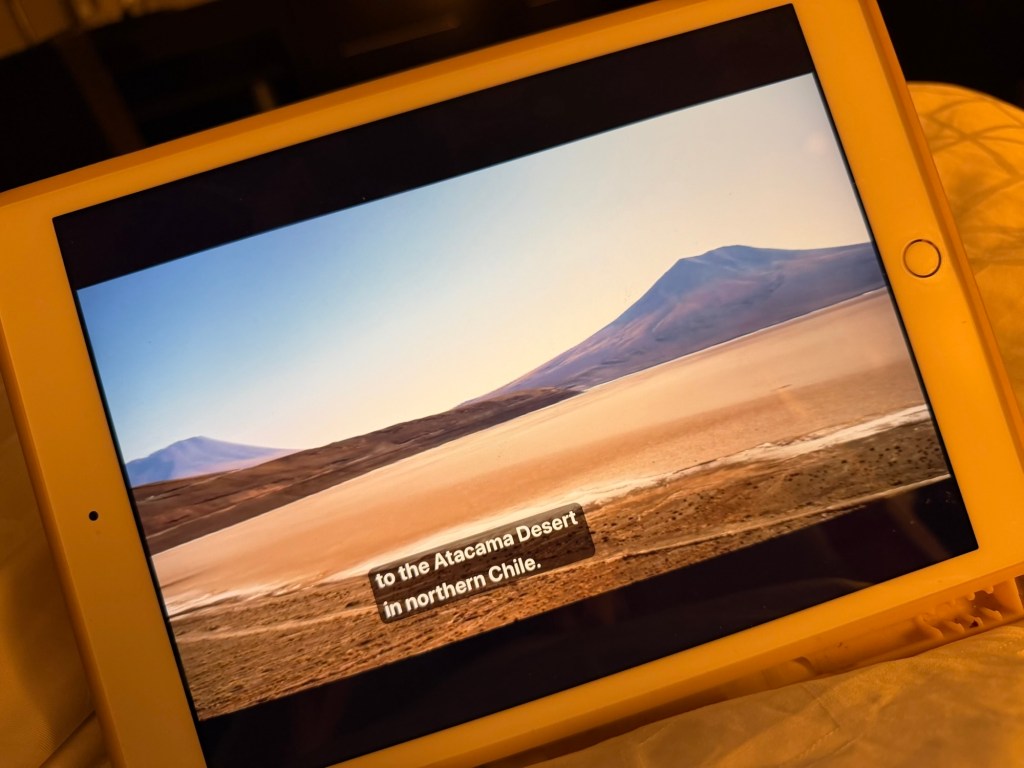
    Last night, I watched Lithium Rising: The Race for Critical Minerals on PBS, and I’m still sitting with its central question: what happens when the technologies we need for a cleaner future depend on extraction from places already carrying so much ecological burden?

    The film follows the global race for minerals powering batteries, electric vehicles, and renewable energy systems. But what stayed with me most was the human geography of it all: miners, Indigenous leaders, policymakers, and frontline communities navigating the promises and harms of a new resource boom.

    The connections to the Atacama felt especially immediate. The documentary makes clear that water scarcity, land rights, ecological fragility, and community self-determination cannot be treated as side issues in the transition away from fossil fuels. They are the transition.

    That feels like an important challenge for philanthropy, communications, and narrative strategy: how do we support climate solutions without turning “green” into another word for sacrifice zones somewhere else?

    Lithium Rising is worth watching because it complicates an easy story. It asks us to imagine an energy transition that is more honest, more accountable, and more just.

    #LithiumRising #CriticalMinerals #ClimateJustice #EnvironmentalJustice #Atacama #IndigenousRights #JustTransition #NarrativeChange #PlaceBasedPhilanthropy #PBS

  • What I’m Reading and Watching Right Now


    Lately, I’ve been gathering a small constellation of readings and videos that are helping me think more deeply about desert life, extraction, memory and justice — especially as I prepare for time in the Atacama.

    What connects these pieces for me is a shared invitation to see land not as empty space, but as a living archive: of Indigenous knowledge, migration, labor, ecological change, political struggle and community resilience.

    • Historias de Pastores y Pastoras de la Puna de Atacama — a beautiful collection of stories and photographs from pastoral communities in places like Catarpe, Chiu Chiu, Ollagüe, Solcor and Talabre. It is grounding me in the deep relationships among herding, water, wetlands, cultural identity and climate resilience.
    • A documentary teaser on the Atacama — I’m watching for visual and narrative cues: how landscape is framed, whose voices are centered, and how beauty can either deepen understanding or flatten complexity. This film is called Andean Salt Flats: Water Is Worth More Than Lithium (2022) and is produced by the Tantí Foundation.
    • Justice for Andean Wetlands and Indigenous Peoples in Climate Action — a COP30 briefing from the Alliance for Andean Wetlands on transition minerals, Indigenous rights, high Andean wetlands and the need for climate action that does not reproduce extractive harm.
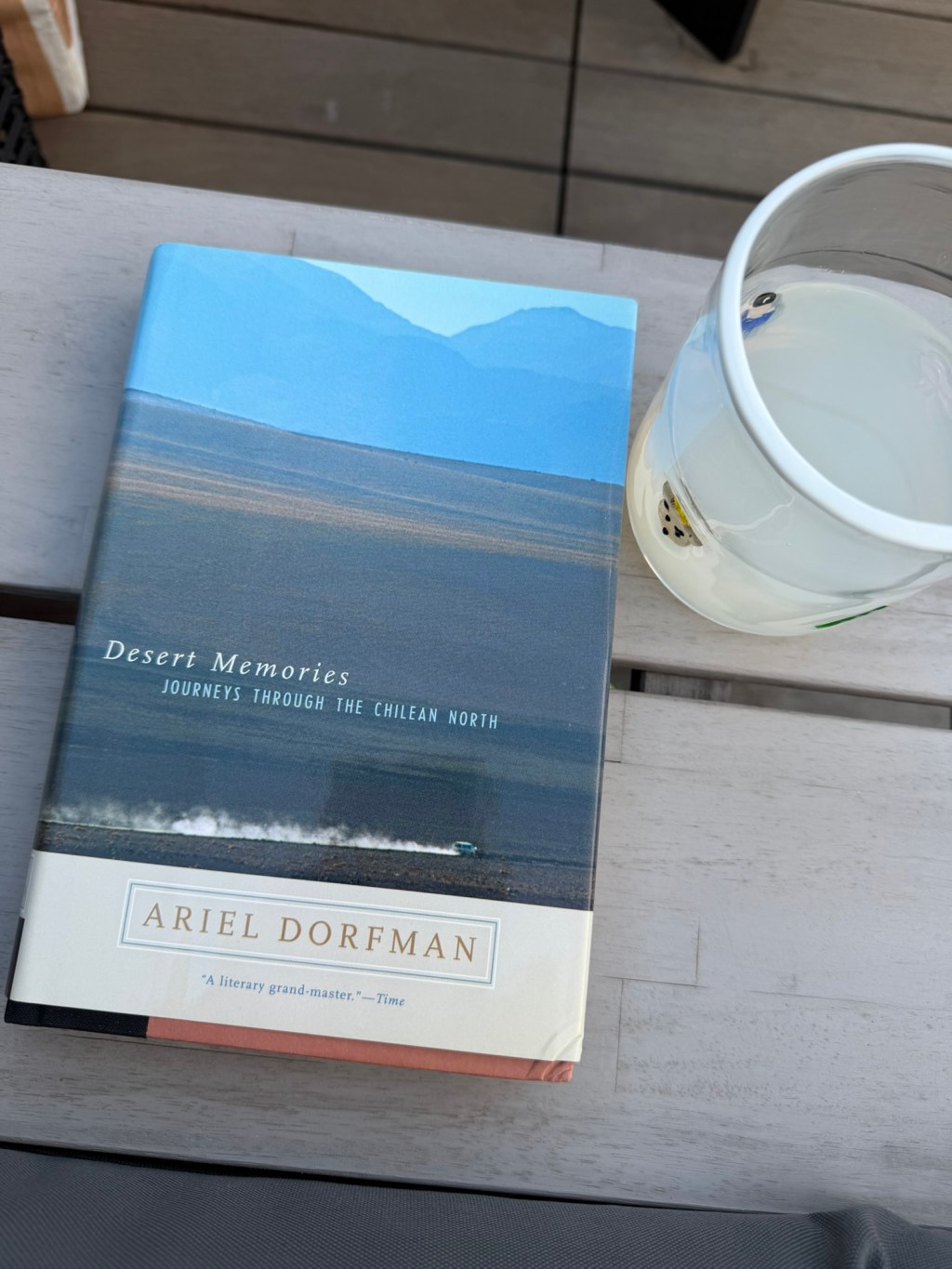
    • Desert Memories: Journeys Through the Chilean North by Ariel Dorfman — a layered travel memoir that traces Chile’s northern desert through memory, mining, labor, politics, exile and the long shadows of history.

    Together, they’re helping me ask better questions: What does a just transition look like from the perspective of places already living with extraction? How do communities carry knowledge across generations in fragile ecosystems? And how might philanthropy, communications and narrative strategy better honor the people who know these landscapes most intimately?

  • Hello World!

    Why Field Notes, Why Now

    I am beginning this site at a moment when my professional curiosity is becoming bigger than any single role, project, or institution can hold.

    For much of my work, I have been focused on strategic communications: how we explain complex issues, how organizations build trust, how public messages move people toward understanding and action. The longer I do this work, the more I find myself drawn to the deeper terrain beneath communications — the systems of power that decide whose stories are heard, whose knowledge is trusted, whose places are treated as central, and whose futures are imagined as worth investing in.

    That is what I want to explore here. These field notes are a way of thinking in public about an evolving stage of my professional life: a stage that asks me to look beyond message strategy alone and more directly at narrative, philanthropy, place, and power. I want to understand how institutions can communicate with more humility, how philanthropy can support community-defined change without reproducing extraction, and how stories can help people see not only problems, but possibility, dignity, agency, and relationship.

    This curiosity has been building for me over the past decade+. My work in Colorado philanthropy cracked open a view on community voice and social change that is interconnecting across the continuum of my life so far.

    I am also a traveler and explorer, fortunate to have seen some parts of the world that fundamentally shifted who I am. In 2018, I began visiting South America, a place I feel a gravitational pull to. My time in different part of this country have inspired this next step in my professional journey. In November 2026, I will embark on yet another opportunity that will bring me to northern Chile, where I will spend four weeks immersed in the Atacama Desert, learning about local life, and writing through an artist residency with La Wayaka Current. This residency is part of my professional development work through my current employer, and I could not be more grateful for this creative opportunity to expand my thinking, skills, and experiences in understanding the cross-sectionality of philanthropy, land, equity, and narrative.

    Being in a desert landscape shaped by water scarcity, Indigenous knowledge, tourism, extraction, climate pressure, and deep cultural memory is sharpening questions I also carry in Colorado. What happens when rural places are asked to absorb the consequences of decisions made elsewhere? What does it mean to listen across difference without turning people’s lives into lessons? How can those of us working inside institutions become more accountable to place, relationship, and community authority?

    I do not expect these notes to arrive as polished answers. I expect them to be provisional, reflective, and sometimes unresolved. They may take the form of essays, observations, interview reflections, reading notes, or questions I am still learning how to ask. My hope is that they become a record of professional formation — a way to trace what I am learning about influence, leadership, storytelling, equity, and the responsibilities that come with working in proximity to institutional power.

    I am calling them field notes because that phrase gives me permission to pay attention before I conclude. To observe patterns. To notice contradictions. To stay close to place. To write from practice rather than certainty. And to keep asking what more ethical, relational, and imaginative forms of philanthropy and public storytelling might require from us now.